
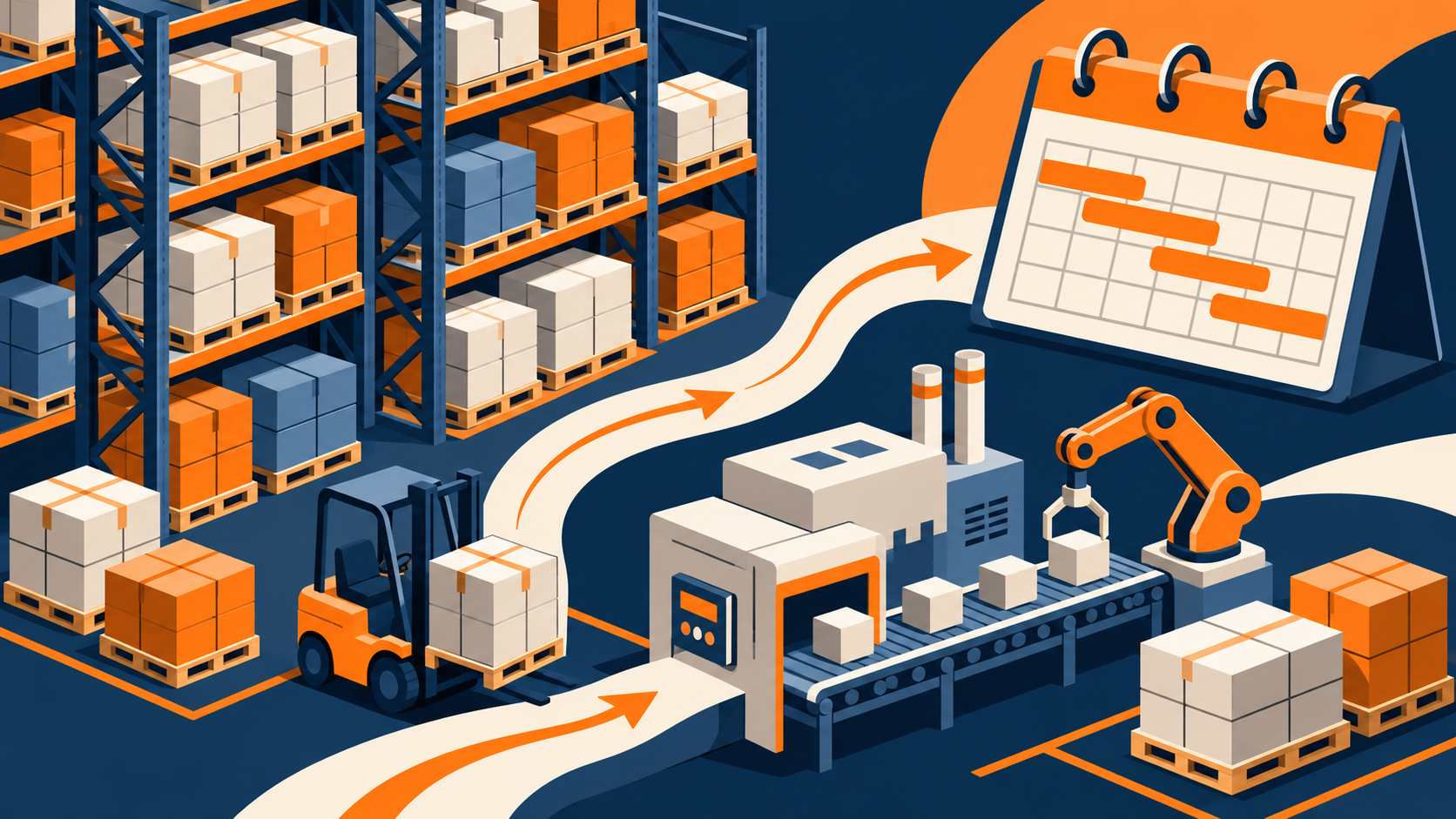
A stock shortage can slow down production; too much stock takes up space and money. AI and automation can help make available information visible earlier. A reliable approach starts with correct registrations, clear responsibilities and a plan for exceptions.

Map the current stock flow
Track an item from receipt to consumption or shipment. Where is the quantity recorded? How are returns, damage and corrections processed? Compare the digital registration with the physical inventory. As long as differences are not examined, automatic signals are difficult to trust.
What tasks can you support?
For example, a system can notify when an item falls below an agreed level, show open orders next to available stock, or Mark deviations for review. AI can also help to summarize explanations or examine patterns in historical data. Which functions are appropriate depends on available data and links.
From signal to action
A notification is only useful when it is clear who receives it and what happens next. Agree on who is investigating a shortage, when an order is proposed and who approves it. Take into account delivery times, seasons and exceptional orders. Have the responsible employee check before making a purchasing decision.

Connecting production planning and material requirements
By linking orders, scheduling, and product structures, teams can see what materials are needed for planned work. Check the timeliness of Bom and change management. If a link is missing or data is delayed, mention it clearly in the Overview and maintain a manual check.
Start with one product group
Choose a clear group of items and record a baseline measurement, such as the number of stock differences or delays due to missing materials. Test notifications with employees in the workplace and investigate false signals. Only expand the approach when data, roles, and follow-up work well.
Example: a possible material shortage
A production order is scheduled for next week. The workflow compares the planned material requirement with the registered available stock and outstanding deliveries. If the data indicate a shortage, the responsible employee receives a signal. It checks the physical stock, the delivery time and any alternatives before an order or schedule change is approved.
What information do you need?
Agree on item codes, units, stock locations, and the way receipts and consumption are posted. Check that the bill of materials belongs to the current product version. Record how quickly data from linked systems is refreshed and who corrects a record when reality deviates.
Also discuss the limits of a prediction in advance. Historical data does not automatically tell you what an unexpected order, malfunction or supplier problem means. Therefore, leave room for human review and record how the team continues to work if a link temporarily fails.
Do you want to better connect your inventory and production processes? Discuss the possibilities with Digivance.
Read also about AI Business Automation and Management at Digivance.